How to Make Buyer Brokerage Agreements Irresistible (And Get That Signature Every Time!)
Unlock the secrets of getting buyers to sign brokerage agreements with ease.

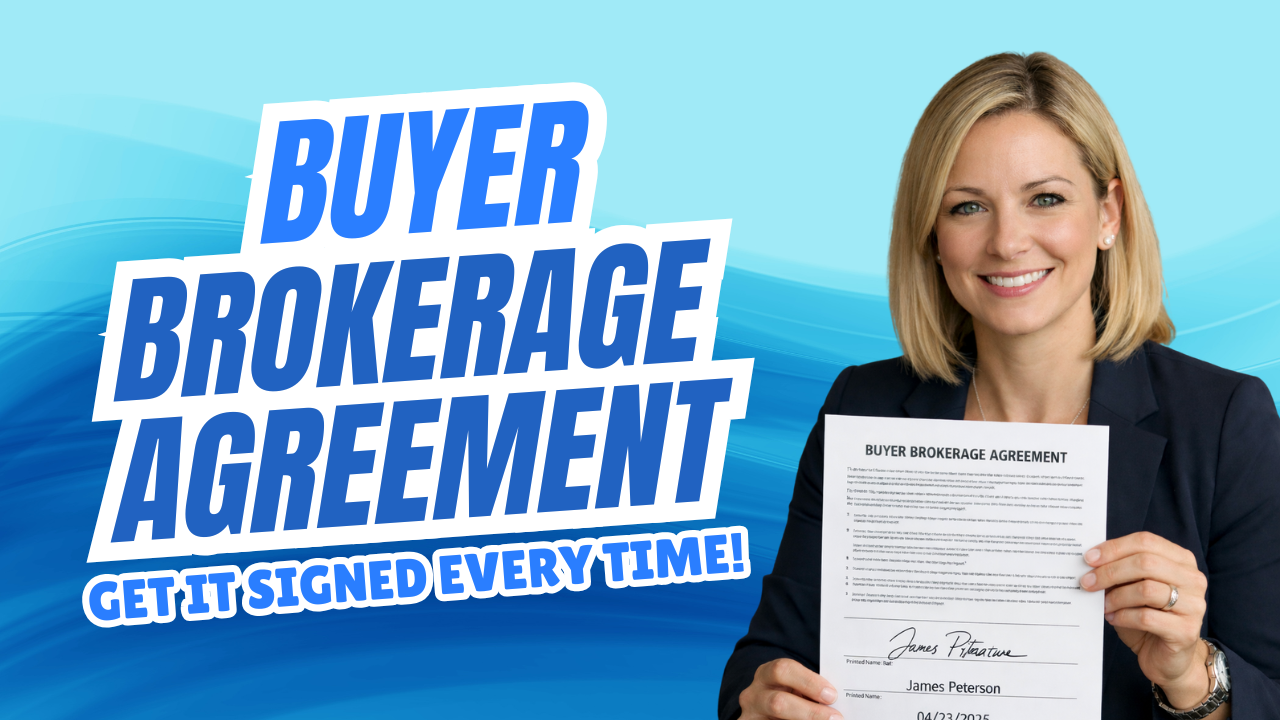
Table of Contents
- Why Buyer Brokerage Agreements Matter
- Common Misconceptions About Buyer Agreements
- Winning Strategies for Presenting Agreements
- Do’s and Don’ts When Discussing Agreements
- Solutions to Common Objections
- Conclusion
- FAQ
Why Buyer Brokerage Agreements Matter
Picture this: You're showing houses, expertly guiding nervous homebuyers through the emotional rollercoaster of real estate, and then—in a plot twist worthy of reality TV—they go rogue with another agent. Enter the buyer brokerage agreement, your secret contract cape, ensuring you get paid after all your hard work. According to the National Association of Realtors, buyer representation agreements protect both parties and encourage transparency in every transaction (NAR).
Common Misconceptions About Buyer Agreements
Many buyers fear the dreaded 'C' word: commitment. They worry this agreement locks them into an agent even if things go south or that it's just another pile of paperwork. In reality, a buyer brokerage agreement clarifies expectations for everyone. It’s not a ball and chain—it’s a helpful roadmap.
Top Misconceptions Debunked:
- It’s non-negotiable (— actually, most terms are flexible!)
- It locks buyers in forever (— most agreements have clear termination clauses)
- It only benefits the agent (— both parties are protected)
Winning Strategies for Presenting Agreements
To get buyers on board, make the process as painless as possible. Here’s how seasoned pros handle it:
1. Lead With Value
Before mentioning paperwork, show buyers what you bring to the table. Are you an expert negotiator? A local market encyclopedia? Share your successes, testimonials, and a dash of personality to remind them why you’re worth signing for.
2. Time It Right
Don’t drop agreements on buyers like surprise quizzes. Bring it up after you’ve provided value or explained the buying process. The sweet spot? After the consultation but before touring homes.
3. Be Transparent
Walk through the agreement line by line. Highlight that it's standard for serious clients, protects both parties, and clearly defines your duties and compensation. Use humor when appropriate: “This helps me avoid couch surfing if you find your dream house with another agent!”
4. Offer Flexibility
Present the agreement as a customizable tool. Explain options to adjust duration, scope, or cancellation without hard feelings. “Let’s start with a trial period. If I don’t impress you, we can part as friends.”
Do’s and Don’ts When Discussing Agreements
| Do | Don't |
|---|---|
| Explain the agreement clearly | Bury the agreement in a stack of papers |
| Focus on mutual benefits | Make it sound like a punishment |
| Encourage questions | Act defensive with objections |
| Use real-life examples | Rush the process |
Solutions to Common Objections
Most doubts stem from misunderstandings. Here’s how to respond like a pro:
- “What if I’m not happy with your service?”
“Great question! This agreement lets you bring up any concerns early, and you’re not stuck if you’re unhappy. Let’s set a review date.” - “I want to shop around.”
“Totally fair. Why not a short-term agreement? Try me out before going steady!” - “Is this standard?”
“Absolutely. Most professional agents ask for it, and it helps everyone stay on the same page.” (Source: Inman.com)
Conclusion
Getting buyers to sign a brokerage agreement doesn’t have to feel like asking them to help you move furniture. By connecting, communicating clearly, and sprinkling in a bit of humor, you’ll create confident clients who are happy to commit. Remember, buyer brokerage agreements are about partnership, not pressure. Now go out there and collect those signatures—one handshake at a time!
FAQ
- What is a buyer brokerage agreement?
This is a contract between a real estate agent and a buyer. It defines the agency relationship, the agent’s duties, and compensation structure. - Are buyer brokerage agreements legally required?
No, but they are strongly recommended for clarity and legal protection. Some brokerages and states may have mandatory forms or disclosures. - Can I break a buyer brokerage agreement?
Most agreements include cancellation or termination clauses. Always review these with your agent before signing. - Does signing an agreement mean I owe a fee?
Usually, the seller pays the agent’s commission, but your agreement will outline all details. Ask your agent to clarify any fine print.
Your Turn! Is there a strategy that's working well for you to get your buyer brokerage agreement signed that we haven't mentioned? Share it in the comments to help fellow agents!